How much does a new roof cost in Lawrence, MA?
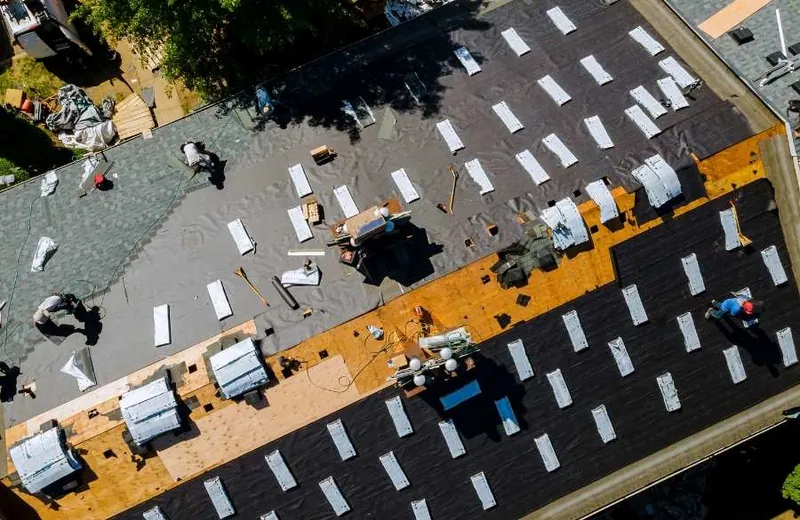
Most full asphalt shingle replacements on typical Merrimack Valley homes land between about $13,000 and $22,000. Larger or more complicated roofs cost more. A low-slope EPDM or TPO rear roof on a Lawrence triple-decker usually runs $9,000–$18,000 depending on size and how much decking needs replacing. Standing-seam metal and slate cost considerably more. The biggest variables are roof size, the number of layers being removed, rotted sheathing found under the old roof, and access on tight lots. Our estimates are itemized, and financing is available.
How long does a roof replacement take?
Most single-family asphalt roofs take one to three days once work starts. Triple-decker flat roofs often take one to two days, and complete multi-family projects with both steep and low-slope sections can take longer. Slate, metal and large commercial roofs take more time. Permits typically add one to three weeks beforehand, depending on the town. Weather matters too, since we won't open up a roof with rain or snow in the forecast. Spring through fall fills up fast in the valley, so book early if you can.
Do I need a permit to replace my roof in Massachusetts?
Yes. Under the state building code (780 CMR), re-roofing a home requires a building permit from your town's building department. That applies in Lawrence, Methuen, Andover and every other community we serve. Dense streets in Lawrence and Lowell may also need a dumpster or street-occupancy permit. Homes in historic districts, like Andover's Shawsheen Village or North Andover's Old Center, can face extra review for material changes. We handle permit paperwork for you as part of the job and schedule the required inspections.
What causes ice dams, and how can I prevent them?
Ice dams form when heat escaping into the attic melts roof snow, and the water then refreezes at the cold eaves. Lawrence's repeated freeze-thaw cycles and 50–60 inches of yearly snow make them very common. Prevention comes down to three things: air-sealing and insulating the attic floor, balanced soffit-to-ridge ventilation that keeps the roof deck cold, and ice-and-water shield at the eaves so any backup can't leak inside. Raking snow off the lower few feet of the roof after big storms helps too. Heat cable can protect problem eaves until a permanent fix is done.
When should I repair my roof, and when should I replace it?
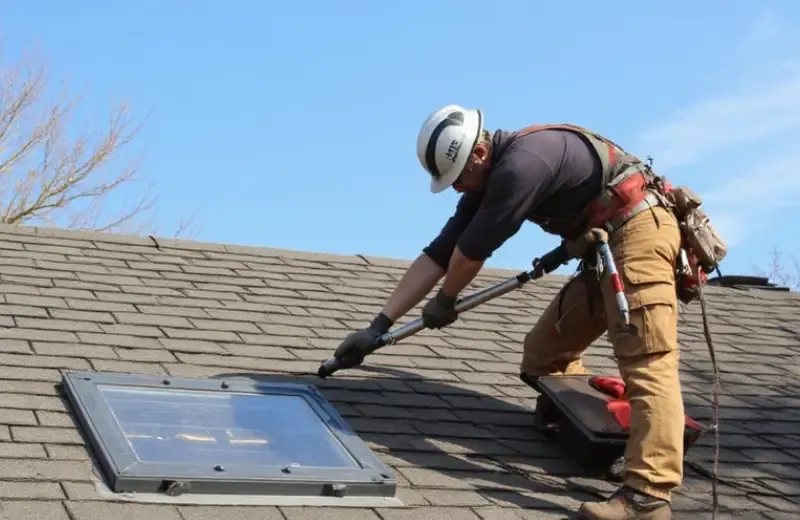
Repair makes sense when the damage is localized (a few blown-off shingles, a flashing leak, one bad valley) and the roof is still well within its life. Replacement is usually the better value when shingles are curling and shedding granules across the roof, the roof is 20–25 years old, you have two layers already, or leaks keep showing up in different places. On triple-decker flat roofs, years of tar patches usually mean the membrane and decking are done. We'll give you an honest recommendation either way.
When is a roof problem an emergency?
Act right away if water is dripping through a ceiling, a tree or large limb is on the roof, shingles or flashing have been torn off and the deck is exposed, or thick ice is building up while you see stains inside. A sagging ceiling or roofline after heavy snow is also urgent. Get people out from under that area and call. We provide emergency tarping, steam ice-dam removal and temporary repairs to protect the interior, then plan permanent work once conditions allow.
Can you replace a roof in winter?
Often, yes. Winter roof replacement is possible on clear, dry days. We strip only what we can close up the same day, clear snow from the work area, and follow cold-weather practices so shingles seal properly. Low-slope membranes have temperature limits for adhesives, so some flat roof work is better scheduled for milder days. If a full replacement has to wait, we can make winter leak repairs or tarp the roof to protect your home until spring.
Will you help with my insurance claim after storm damage?
Yes. After nor'easters, wind storms or tree damage, we inspect the roof, photograph and document everything we find, and provide a detailed written scope you can share with your insurance adjuster. We'll explain what's storm damage and what's normal wear, because adjusters look at that closely. If water is coming in, we'll tarp first to prevent more damage, which most policies expect you to do. Be cautious of out-of-town crews knocking on doors after storms. Work with a local, bonded and insured contractor you can reach after the job is done.